
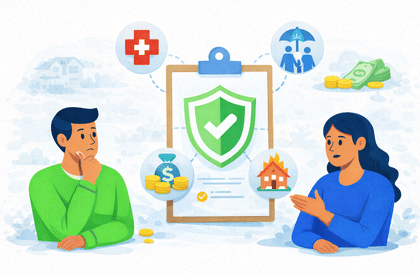
Insurance risk management is not just for corporations or large businesses. It’s something every individual and family practices—often without realizing it. The difference is whether it’s done intentionally or by accident. Understanding how to manage risk through insurance helps protect your finances, assets, and long-term goals.
1. Identify What You Actually Risk Losing
Before choosing coverage, ask:
What assets matter most?
What would be financially difficult to replace?
What risks could disrupt my income?
Insurance risk management begins with clarity about what needs protection.
2. Prioritize High-Impact Risks
Not all risks are equal. Focus first on:
Health emergencies
Liability claims
Major property damage
Income interruption
Covering high-impact risks reduces potential financial shock.
3. Balance Deductibles and Premiums Strategically
Lower premiums may mean higher deductibles. Higher premiums may reduce out-of-pocket costs during claims.
Smart insurance risk management finds the right balance based on your financial comfort level.
4. Review Coverage Annually
Risks change over time. Income, assets, family size, and lifestyle evolve.
A yearly review ensures your insurance risk management strategy stays aligned with real life.
5. Avoid Over-Insuring Low-Impact Items
While protection is important, insuring everything can increase costs unnecessarily.
Strategic coverage means protecting what truly matters without overcomplicating your policy.
Is About Preparation, Not Fear
Insurance risk management is about preparation, not fear. The goal isn’t to expect the worst—it’s to be financially prepared if it happens.
At Best Choice Insurance, we help individuals and families build practical, balanced coverage strategies that protect what matters most.