
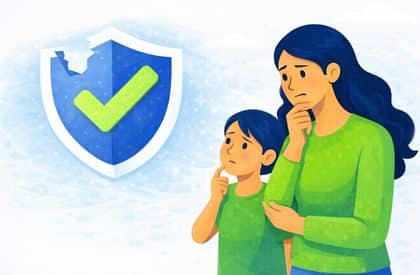
Insurance coverage gaps are more common than people think. Many assume they are fully protected, only to discover missing coverage when it’s too late. The truth is, small gaps in your policy can lead to big financial problems. The good news? Most of them are easy to fix once you know where to look.
1. Assuming “Full Coverage” Means Everything
Many people believe “full coverage” protects them from all risks. In reality, policies always have limits and exclusions.
Understanding what’s not covered is just as important as knowing what is.
2. Outdated Coverage After Life Changes
Life moves fast, but policies don’t update themselves.
If you’ve moved, changed jobs, or grown your family, your insurance coverage gaps may have increased without you realizing it.
3. Underestimating Liability Protection
Accidents can lead to unexpected legal or financial responsibility.
Without enough liability coverage, you may end up paying out of pocket—even if you thought you were protected.
4. Not Reviewing Deductibles
A low premium often comes with a high deductible.
If your deductible is too high, you may avoid using your policy when you actually need it—creating a hidden gap in real protection.
5. Ignoring Small Print and Exclusions
Policies include specific conditions and exclusions.
Failing to review them can lead to unpleasant surprises when filing a claim.
6. Overlooking Secondary Risks
Most people insure major assets, but forget smaller risks that can still create financial stress.
These include temporary living costs, minor damages, or unexpected incidents.
7. Never Reviewing Your Policy
One of the biggest insurance coverage gaps is simply not reviewing your policy regularly.
Even a quick yearly check can help you identify missing protection and adjust your coverage.
Isn’t Just About Having a Policy
Insurance isn’t just about having a policy—it’s about having the right protection at the right time.
By identifying insurance coverage gaps early, you can avoid unexpected costs and stay fully protected. At Best Choice Insurance, we help you spot and fix coverage gaps before they become real problems.